MOMBASA, KENYA — As African nations seek dynamic new blueprints to transition diaspora contributions from basic consumption to high-growth, productive capital, Uganda has taken a commanding center-stage role in shaping the continent’s economic future.
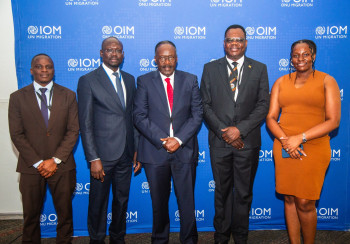
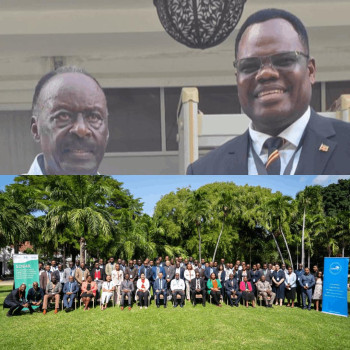
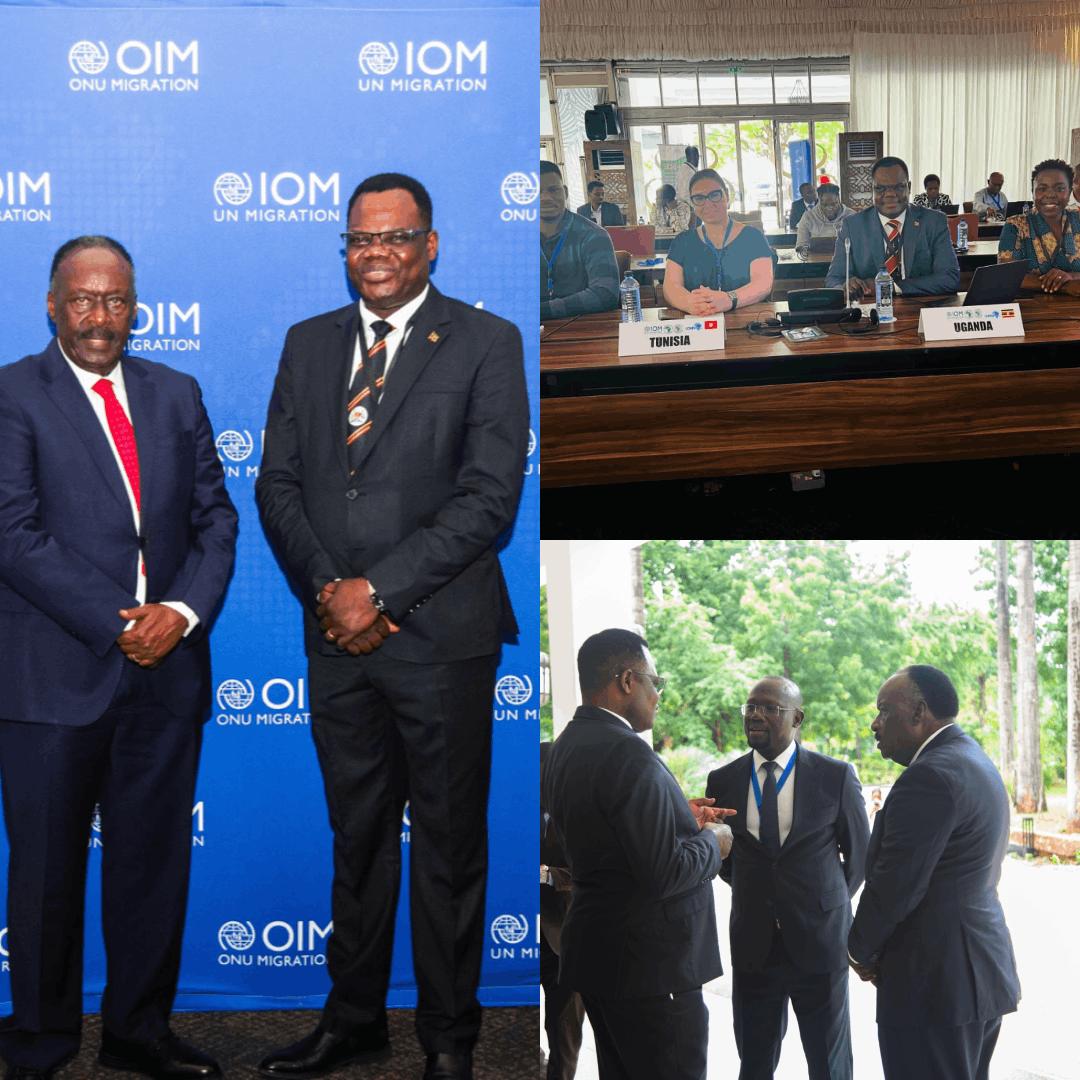
At the high-level International Organization for Migration (IOM) - Common Market for Eastern and Southern Africa (COMESA) Diaspora Investment Workshop, which concluded on June 24, 2026, at the Sarova Whitesands Hotel in Mombasa, a high-powered Ugandan delegation successfully mapped out concrete frameworks to operationalize the African Development Bank-funded SDE4R Programme (Streamlining Diaspora Engagement to Catalyse Private Investments and Entrepreneurship for Enhanced Resilience).
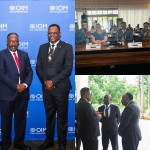
The Republic of Uganda under the technical guidance of the Permanent Secretary, the Hon. Bagiire Vincent Waiswa deployed a strategic, cross-institutional team covering diplomacy, investment facilitation, and legal framework coordination:H.E. Amb. (Rtd) Fred Mwesigye – Uganda’s High Commissioner to Tanzania (Dar es Salaam) and Leader of the Delegation,Mr. Dickson Ogwang Okul – Representative of the Ministry of Foreign Affairs (MOFA), a senior Official from the Diaspora Services Department,Mr. Ramathani Kamuntu – Diaspora Services Department, Ministry of Foreign Affairs (MOFA) and Ms. Irene Ssagala – Representative, Uganda Investment Authority (UIA).
Together, this team moved beyond standard diplomatic pleasantries to address the structural hurdles that historically bottleneck diaspora capital.
A central pillar of the workshop’s success emerged from the technical breakout sessions. Serving as the Lead Discussant for the Technical Group, MOFA’s Envoy, Dickson Ogwang Okul articulated a series of bold legislative and structural recommendations designed to fundamentally rewrite how African countries integrate their citizens abroad into national development.
Rather than managing diaspora issues through fragmented desks, Dickson Ogwang Okul advocated for the creation of an autonomous, centralized Statutory Body: a Uganda Diaspora Authority. This specialized entity would eliminate bureaucratic red tape, serve as a transparent "one-stop center" for returning capital, and streamline investor verification.
To ensure the unique legal challenges, rights, and interests of citizens abroad are permanently protected, the delegation strongly urged the creation of at least two dedicated seats for the Diaspora in Parliament under special group representation.
Recognizing the unique financial risks of investing from afar, the proposals called for targeted affirmative action packages. These include:Specialized tax holidays for diaspora-backed ventures,Streamlined trade corridor access and Strategic land allocations for commercial and industrial development.
"While we encourage our diaspora to invest back home, they must also step up as our global Ambassadors for Investment," noted Mr. Ogwang, pointing to the veteran investment promotion initiatives of champions like Willy Mutenza in the United Kingdom, Lambert Etibot and Ronnie Mayanja in the United States and Canada as stellar real-world template.
Collaborating closely with UIA Representative Irene Ssagala, the delegation aligned regional frameworks with Uganda's domestic economic targets, zeroing in on three high-yield areas:Securing frameworks to channel diaspora funds into critical trade infrastructure, targeting logistics, cross-border transit efficiency, and specialized trade finance.
Driving investment into value-addition, processing facilities, and cold-chain infrastructure for high-yield perennial crops to boost regional export capacity and Structurally integrating women entrepreneurs within the diaspora into mainstream trade networks by systematically lowering regulatory barriers.
Dickson Ogwang Okul urged African nations to look to successful state-facilitated engagement models at home. He cited the precedent set by H.E. President Yoweri Museveni, who has committed $100,000 annually since 2012 to facilitate Diaspora engagements in North America, as a masterclass in sustainable state backing.
The policy breakthroughs achieved in Mombasa do not exist in a vacuum; they land on a highly organized, sophisticated network of global diaspora trailblazers who have spent decades constructing economic and political bridges back to Uganda.
In North America, the Uganda North American Association (UNAA) continues to serve as a vital engine for community cohesion and policy dialogue. Following its landmark 37th convention in New Orleans, a revitalized leadership team is advancing the investment agenda under the abled leadership of Mr. Lambert Etibot (President and CEO), leveraging deep-rooted mobilization expertise to drive inclusive growth.
In Canada, the trade and tourism landscape has been systematically elevated by pioneering frameworks of Mr. Ronnie Mayanja, the visionary founder of the Uganda Diaspora Network and Uganda Canada Convention (UCC). Ronnie's decade-long leadership in hubs like Toronto, Vancouver, and Ottawa pioneered initiatives like the Uganda Diaspora Social Networking Gala (under the patronage of Dr. Maggie Kigozi), laying the groundwork for robust bilateral trade.
The Uganda–U.A.E. Convention in Dubai on the other hand has emerged as an absolute powerhouse for economic integration, drawing thousands of Ugandans from across the Emirates to transform rapid remittance flows into structured investment pipelines.
Uncle Michael Nuwagira (Toyota)'s strategic oversight as a key leader has been foundational in organizing and delivering highly coordinated, impactful conventions that successfully bridge government delegations with private sector.
When these global streams converge back home, the annual Uganda Homecoming events and high-level diaspora galas depend heavily on domestic institutional anchors to turn overseas interest into local reality. State House Diaspora Unit officials like Hajji Mohammed Bagonza and Ambassador Abbey Kigozi Walusimbi work hand-in-hand with the Ministry of Foreign Affairs to ensure that whether a citizen is returning from London, Dallas, Toronto, or Dubai, they enter a structured, friction-free ecosystem.
With the Ministry of Foreign Affairs’ Diaspora Department and the Uganda Investment Authority already convening to harmonize these regional resolutions into national frameworks, Uganda is proving that the diaspora is no longer just a source of sentimental support - they are the frontline executives of the nation's commercial diplomacy.