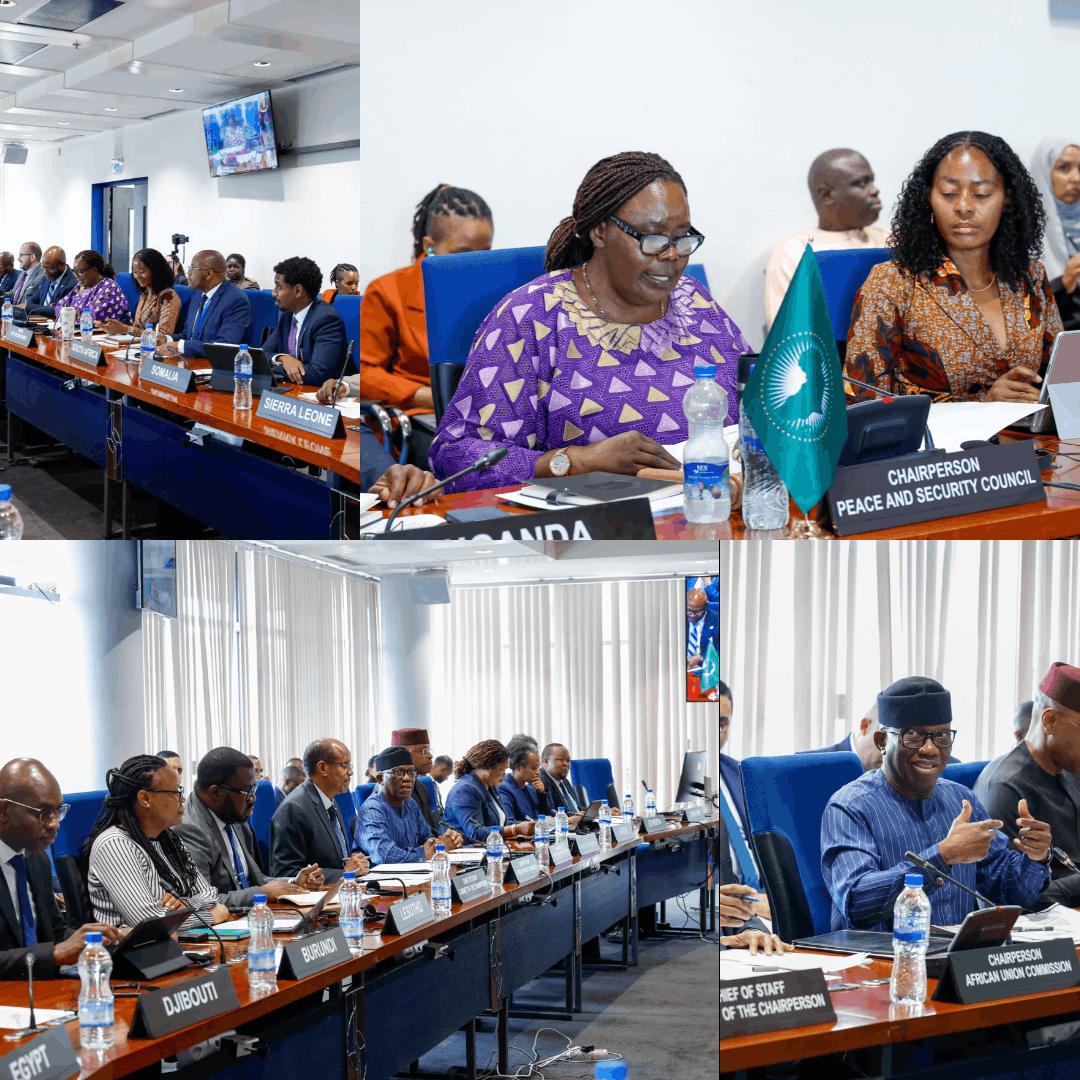
KAMPALA — In a landmark step toward transforming Uganda’s relationship with its global citizens, the Patriotic League of Uganda (PLU) Headquarters today hosted a high-level consultative meeting on the development of the highly anticipated Uganda National Diaspora Policy.
The consultation, spearheaded by Ambassador Dickson Ogwang Okul from the Diaspora Services Department of the Ministry of Foreign Affairs (MoFA), brought together policy experts, diplomats, and PLU strategists. The session marked a critical milestone in aligning the upcoming policy with the national security, socioeconomic, and political transformation agendas championed by both the government and civic organizations.
The discussions centered on a newly unveiled, comprehensive framework document drafted by Amb. Ogwang Okul. The policy aims to shift Uganda’s global diaspora from a largely remittance-driven group into a fully integrated, strategic national asset and indispensable development partner. This initiative aligns directly with Uganda Vision 2040, the National Development Plan (NDP), and the African Union Agenda 2063.
A Urgency Built on Real-World Crisis Response
The consultations come on the heels of the historic, state-led evacuation of over 1,100 Ugandans who fled anti-migrant protests and xenophobic violence in South Africa. Coordinated seamlessly by MoFA, the Office of the Prime Minister, and the Uganda Peoples’ Defence Forces (UPDF)—led by Chief of Defence Forces and PLU Chairman, Gen. Muhoozi Kainerugaba—the crisis showcased the exact operational necessity of the new policy framework.
During today's meeting, Amb. Ogwang Okul emphasized that the South African rescue operation perfectly illustrated the mandate of Strategic Pillar IV (Citizen Protection, Consular Services, and Crisis Response). This pillar seeks to codify state emergency preparedness, secure labor corridors, and formalize reintegration packages to ensure that no Ugandan is left defenseless abroad.

The Six Strategic Pillars: A Blueprint for Global Engagement
The draft framework presented at the PLU Headquarters is built upon six interconnected strategic pillars designed to govern and leverage the diaspora's potential:
1. Governance, Policy Coordination, and Institutional Development: Establishes a whole-of-government approach by creating an Inter-Ministerial Coordination Committee (IMCC) and launching a digital National Diaspora Registry to streamline data management and build institutional trust.
2. Diaspora Investment, Trade, and Economic Empowerment: Shifts focus toward active capital mobilization. Key proposals include the issuance of Uganda Diaspora Treasury Bonds, tax incentives, and the creation of a One-Stop Diaspora Investment Desk under the Uganda Investment Authority.
3. Human Capital, Skills Transfer, and "Brain Gain": Aims to reverse the brain drain by engaging highly skilled professionals in critical national projects. To ease bureaucratic hurdles, the framework proposes a structured Public Procurement and Disposal of Public Assets (PPDA) alignment to allow diaspora experts to bid on science, technology, and infrastructure contracts with minimized domestic competition.
4. Citizen Protection and Consular Services: Modernizes digital consular support, emergency evacuation protocols, and labor migration governance in partnership with the Ministry of Gender, Labour and Social Development.
5. Cultural Identity, National Cohesion, and Public Diplomacy: Safeguards second- and third-generation diaspora youth from cultural assimilation. The policy outlines formal collaboration with decentralized traditional institutions (such as Buganda, Bunyoro, Tooro, Busoga, Lango, and Acholi) and the development of local language curricula.
6. Strategic Partnerships and Democratic Participation: Sets a progressive pathway for the implementation of overseas voting for eligible Ugandan citizens, to be administered by the Uganda Electoral Commission in collaboration with MoFA and NIRA.
Political and Institutional Convergence
The choice of PLU Headquarters for today's consultation highlights the strategic overlap between state policy and civic mobilization. The Patriotic League of Uganda, which actively champions patriotism, civic duty, and national progress, has increasingly focused on diaspora networks as key pillars of Uganda's future geopolitical resilience.
Under the leadership of the Presidency, State House Diaspora Desks, and Parliament's Directorate of International Collaboration, the National Diaspora Policy represents a unified national effort.
“Our diaspora is our supreme interest,” Amb. Ogwang Okul noted during the session, reiterating his previous declarations during the South Africa evacuations. “The hunter’s home may be small, but it is where he finds peace. This policy ensures that home is not only a place of refuge, but a launchpad for global investment and shared prosperity.”
The Ministry of Foreign Affairs expects to move the policy framework into the next phase of inter-ministerial reviews and Cabinet consultations, with a projected 10-year implementation roadmap designed to fundamentally redefine Uganda’s global footprint.
To see the real-world application of the policy's emergency response frameworks in action, you can watch this report on Uganda's South Africa Evacuations, which shows Ambassador Dickson Ogwang Okul and the Ministry of Foreign Affairs well coordinated whole-of-goverment exercise of welcoming home returnees alongside military officials at Entebbe International Airport.