KOLE DISTRICT, UGANDA – While Uganda’s new competency-based curriculum continues to roll out nationwide, students of Project Hope Secondary School (Hope SS) in Kole District have already stepped forward with proof of concept—unveiling four locally-made science innovations that range from a touchless smart dustbin to a functional drone.
In an interview, the school’s science club members demonstrated that the shift from rote learning to hands-on skills development is already bearing fruit.
“We have made a smart dustbin whose technology allows someone to drop rubbish without their hands touching the bin or getting dirty,” said Okwir Emmanuel, head of the science club at Hope SS.
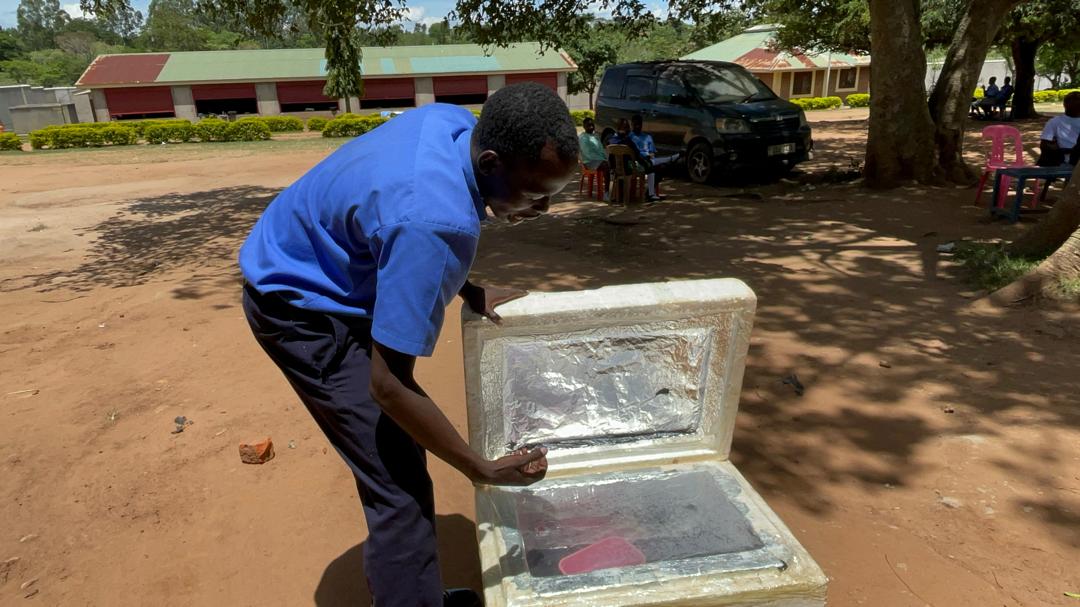
That was only the beginning. Okwir also showcased a solar oven capable of heating water and cooking food—an innovation he says will protect the environment, save time, and reduce reliance on charcoal and firewood.
“This is to protect the environment and help in saving time during cooking, and not using charcoal or wood,” Okwir explained.
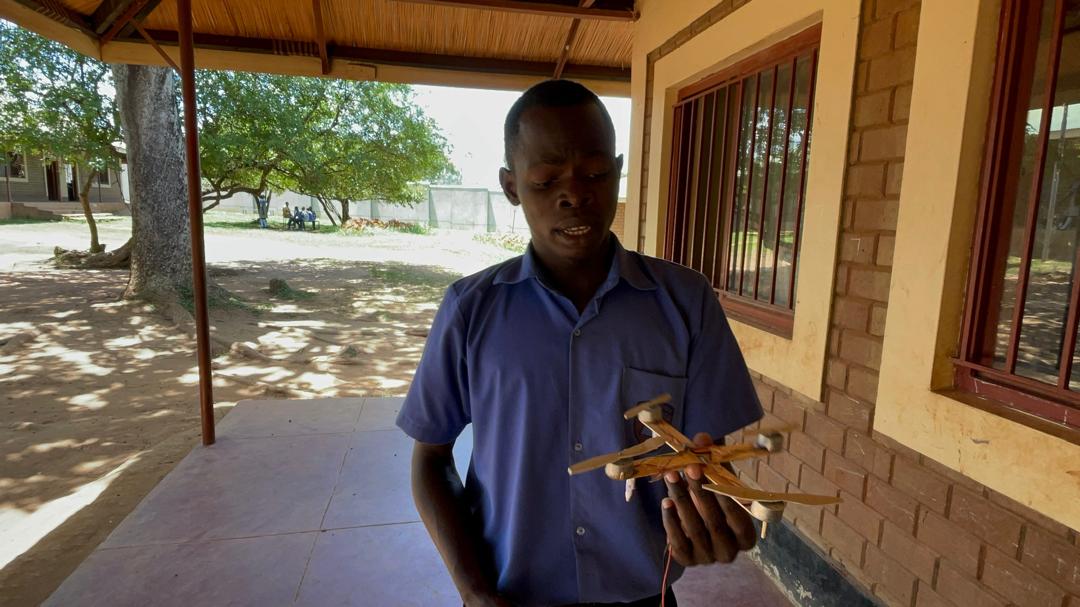
The club’s third breakthrough is a drone that can fly when connected to high-power voltage. According to Okwir, the goal is to help Ugandans acquire drones at a cheaper price compared to expensive imported alternatives.
“The ones from abroad are expensive,” he said. “We want to make them affordable for our people.”
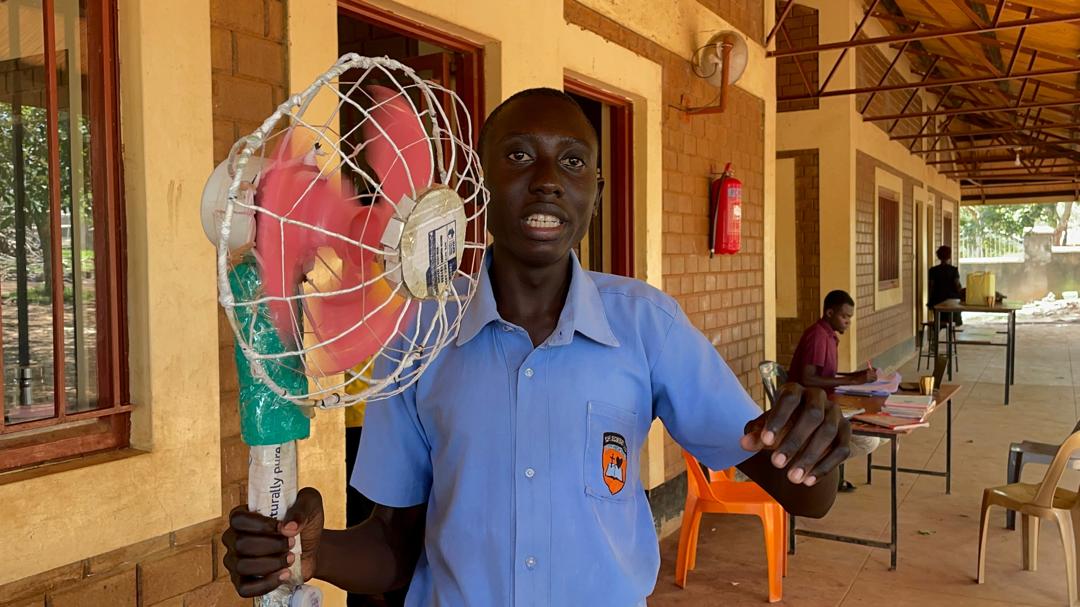
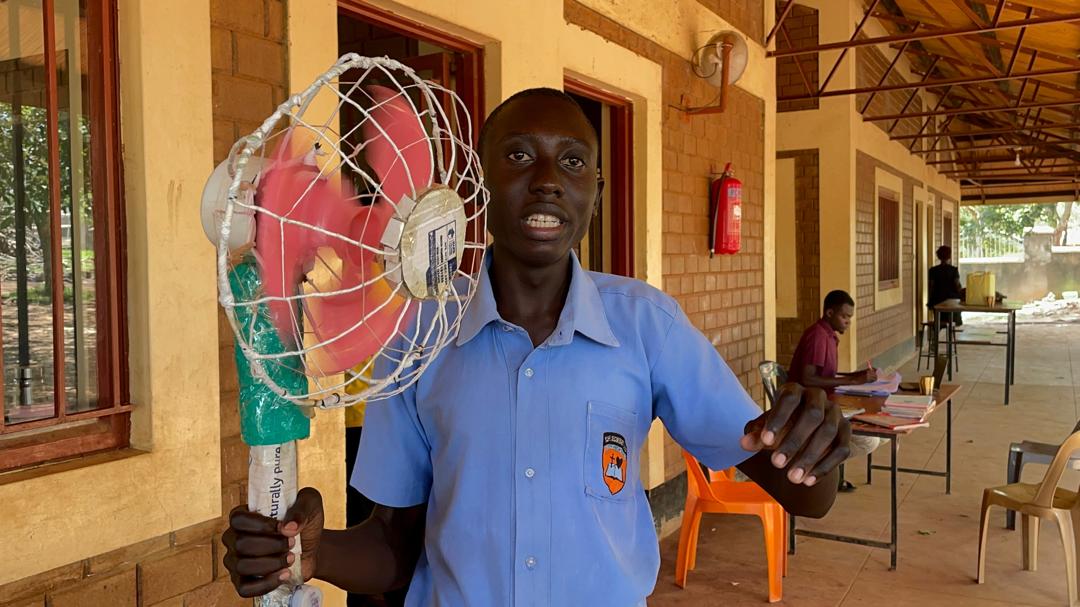
Another student, Silus, demonstrated a fan made from plastic waste, which he said is far cheaper than fans bought in the market. He added that using waste plastics for production will reduce the rampant environmental pollution caused by discarded plastic bottles and containers.
“By using plastics for making the fan, it will reduce on the rampant usage of plastics that destroy the environment,” Silus said.
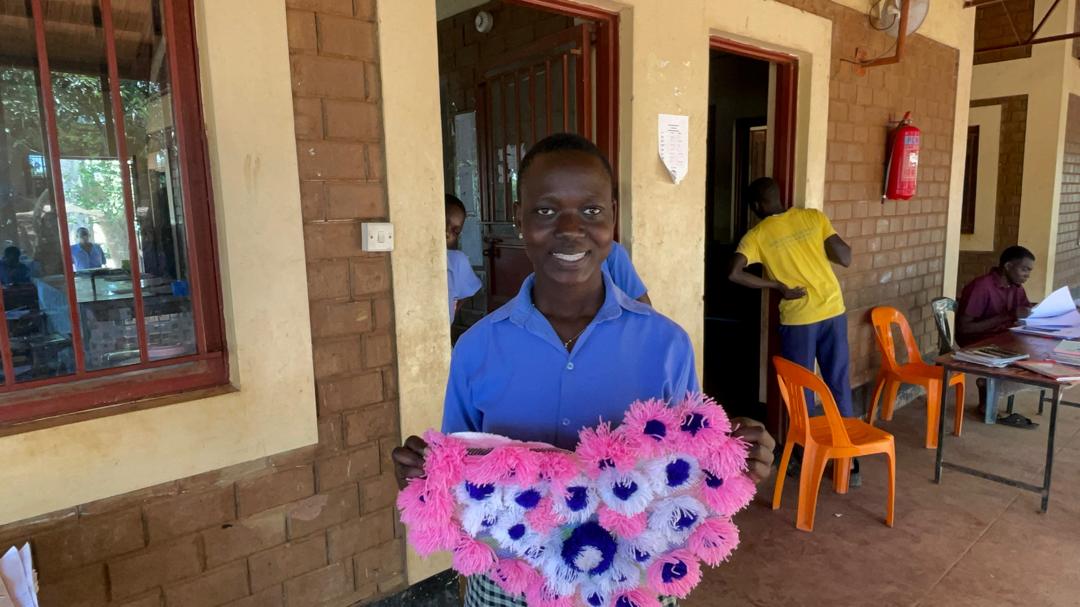
Beyond science, the school is also nurturing creative arts and life skills. A student named Achola Lona Josephine displayed a beautifully handcrafted door mat, which she said she learned to make directly from the school’s skills program.
“I learned these skills from the school,” Achola Lona Josephine said, urging parents from the Lango sub-region to take their children to Hope SS for a better future.
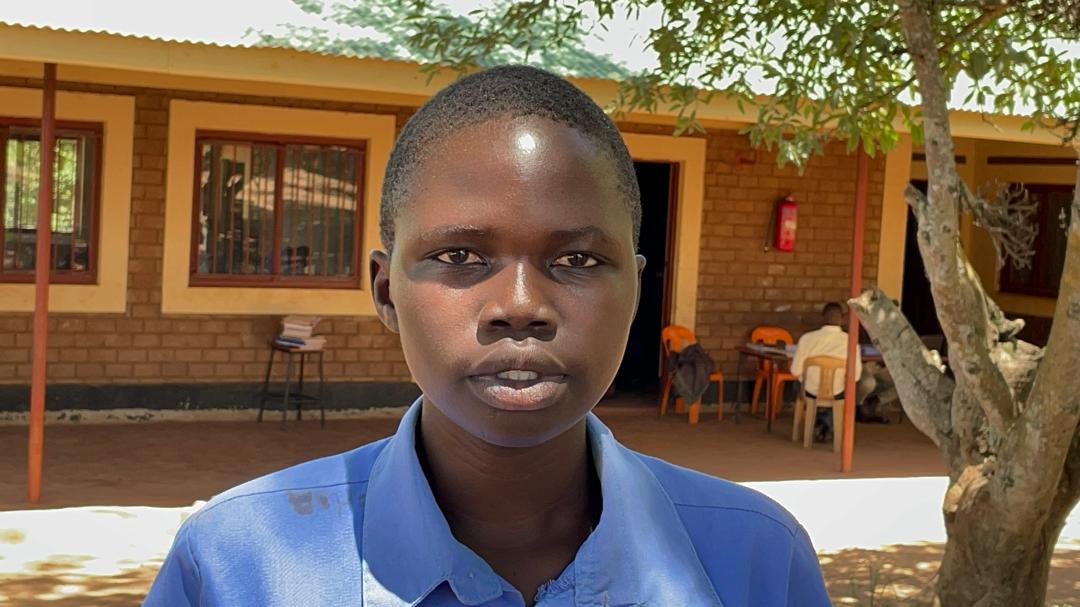
Another student, Achola Patricia Ogwang, who joined Hope SS last year in Senior Three, said she has already gained great knowledge and experience in multiple fields. She is optimistic about passing her Uganda Certificate of Education (UCE) examinations very well.
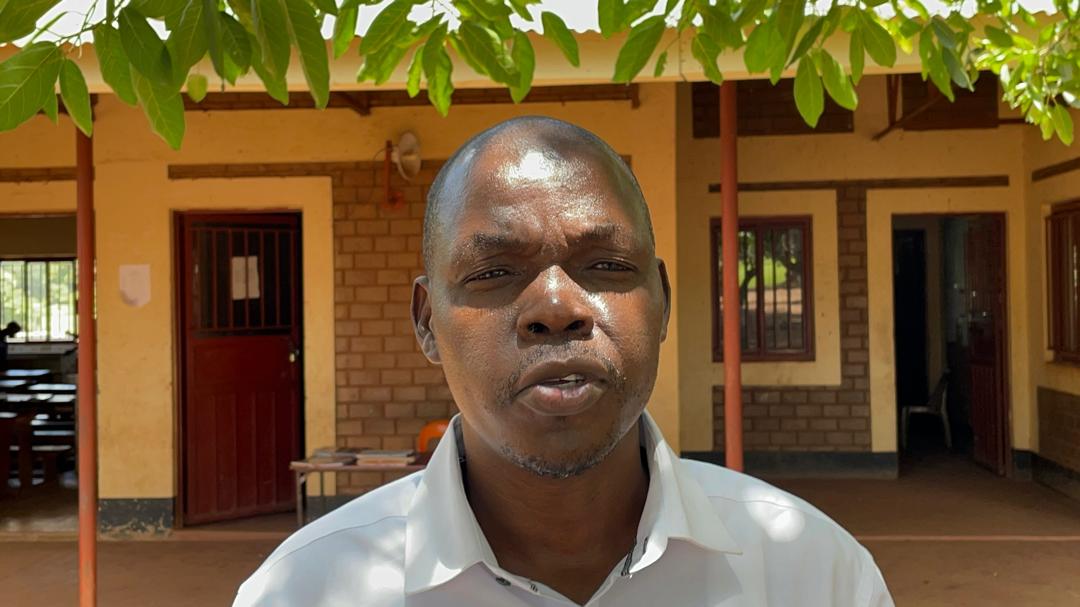
Geoffrey Acuma, the teacher in charge of Hope Secondary School, said the institution deliberately focuses on developing skills and talent—not just exam-passing.
“Recently, we hosted a debating competition for Kole, and now our children are competing in football games in Oyam representing Kole,” Acuma noted.
He concluded with a direct appeal to parents: “Make the best choice by sending your children to Hope SS.”
As Uganda’s education sector watches how the new curriculum performs in real classrooms, Hope SS appears to be offering an early answer—one built not on theory, but on plastic fans, solar ovens, and a drone that actually flies.